

Romance Scam vs Fake Investment Trading Platform: What Is the Difference?
A romance scam vs fake investment trading platform comparison can be confusing because modern financial fraud schemes often combine both methods.
A romance scam traditionally begins with an emotional or romantic relationship. A scammer creates a connection with the victim, develops trust, and eventually asks for money or introduces an investment opportunity.
A fake investment trading platform, on the other hand, is centered around a fraudulent website or application that appears to provide legitimate investment or cryptocurrency trading services. The platform may display account balances, profits, trading activity, or withdrawal information that does not represent genuine assets.
In some sophisticated cryptocurrency scams, these two methods are combined.
A fraudster may first develop a relationship with a victim through a dating application, social media, or messaging platform. After establishing trust, the fraudster recommends a cryptocurrency investment opportunity and directs the victim to a fake trading platform.
The U.S. Securities and Exchange Commission has brought enforcement actions involving alleged relationship investment scams in which individuals were approached through social media, developed relationships with victims, and then directed them toward fake cryptocurrency trading platforms.
Understanding the difference can help victims recognize what happened, preserve evidence, and identify appropriate next steps.
What Is a Romance Scam?
A romance scam is a form of fraud in which a criminal creates a false personal or romantic relationship with a victim to obtain money or other financial benefits.
The relationship may begin on:
- Dating applications
- Social media
- Messaging applications
- Professional networking websites
- Other online communities
The scammer commonly uses a fabricated identity and may claim to live or work somewhere that makes an in-person meeting difficult.
According to the Federal Trade Commission, romance scammers may eventually ask for money for emergencies, travel, medical expenses, or other fabricated reasons. They may also introduce cryptocurrency or investment opportunities as part of the fraud.
The defining feature is the manipulation of trust and personal relationships.
Common Romance Scam Warning Signs
Potential warning signs include:
- The person quickly develops an unusually close relationship.
- They avoid meeting in person or repeatedly cancel meetings.
- They move conversations away from the original dating platform.
- Their personal history is difficult to independently verify.
- They eventually ask for money or cryptocurrency.
- They introduce an investment opportunity after establishing trust.
- They discourage you from discussing the relationship with family or friends.
- They pressure you to act quickly.
The FTC specifically warns consumers not to send money or gifts to an online romantic interest they have not met in person.
What Is a Fake Investment Trading Platform?
A fake investment trading platform is a fraudulent website or application designed to appear like a legitimate investment, cryptocurrency, forex, or trading service.
The platform may contain sophisticated features such as:
- User account dashboards
- Charts and trading histories
- Cryptocurrency balances
- Profit calculations
- Deposit records
- Withdrawal sections
- Customer support chat
- Account managers
- Fake regulatory information
The numbers displayed on the platform may create the appearance that the victim’s investment is increasing.
However, the displayed balance does not necessarily represent cryptocurrency or other assets actually held for the victim.
The FTC warns that cryptocurrency investment scams may direct victims to websites that appear legitimate but are actually fake. Victims may see fabricated account growth and later discover that withdrawals are impossible or subject to additional demands.
Common Warning Signs of a Fake Trading Platform
Watch for:
- Guaranteed or unusually high returns
- Pressure to deposit more money
- Unlicensed or unverifiable operators
- Fake regulatory credentials
- No independent verification of the company
- Withdrawal problems
- Unexpected taxes or fees
- Requests to pay additional money before releasing funds
- Support representatives communicating only through messaging applications
- A website with recently created or suspicious domain information
- Account balances that cannot be independently verified
One particularly important warning sign is a demand for additional money before a withdrawal can be processed.
The SEC has described cases in which victims were shown fictitious investment returns and later told they needed to pay additional fees before their funds could be released.
Romance Scam vs Fake Investment Trading Platform: The Main Difference
The simplest distinction is this:
A romance scam primarily exploits personal trust, while a fake investment platform primarily exploits financial trust.
However, the same criminal operation can use both.
| Feature | Romance Scam | Fake Investment Trading Platform |
|---|---|---|
| Primary manipulation | Emotional relationship | Investment opportunity |
| Typical entry point | Dating app or social media | Website, app, advertisement, referral |
| Main objective | Obtain money or financial information | Obtain investment deposits |
| Fake identity | Often central to the scheme | May involve fake brokers or support staff |
| Fake account dashboard | Not always present | Frequently present |
| Investment component | May be introduced later | Usually central from the beginning |
| Cryptocurrency | Common in modern schemes | Often central |
| Withdrawal problem | May occur if crypto is sent directly | Frequently occurs after deposits |
| Additional fees | Possible | Common warning sign |
| Blockchain evidence | May exist | Often exists |
This distinction is useful, but it should not be treated as absolute.
When a Romance Scam Becomes an Investment Scam
One of the most dangerous developments is the combination of romance fraud and investment fraud.
The FBI has described cryptocurrency investment schemes in which criminals use dating applications and social media to establish relationships, build trust, and then encourage victims to make cryptocurrency investments. Fake websites or applications may display fictitious investment returns.
The process can happen gradually.
Stage 1: Initial Contact
The victim meets someone online.
The individual may appear successful, attractive, educated, financially sophisticated, or professionally established.
Stage 2: Relationship Building
The conversation becomes more personal.
The scammer may communicate every day and create the impression of a genuine friendship or romantic relationship.
Stage 3: Investment Introduction
The scammer eventually discusses cryptocurrency or another investment opportunity.
They may claim to have special knowledge, access to a professional trading strategy, or experience generating significant returns.
Stage 4: Platform Introduction
The victim is directed to a website or application.
The platform appears professional and may provide the victim with login credentials, account information, charts, and supposed profits.
Stage 5: Increasing Deposits
After seeing apparent profits, the victim may be encouraged to invest additional money.
The scammer may say that larger deposits qualify for better trading opportunities or higher returns.
Stage 6: Withdrawal Problem
When the victim attempts to withdraw funds, a new problem appears.
The victim may be told that they must pay:
- Taxes
- Verification fees
- Processing charges
- Liquidity fees
- Security deposits
- Compliance charges
These demands can continue until the victim stops paying.
Why Fake Investment Platforms Can Look Convincing
Modern fake investment platforms can be highly sophisticated.
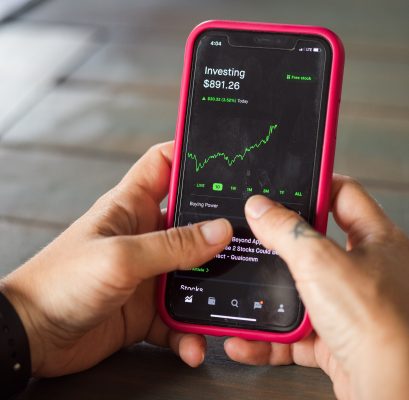
A victim may log in and see what appears to be a genuine investment account with a substantial balance.
The displayed balance, however, is not necessarily evidence that the assets exist.
The FBI has warned that fake cryptocurrency investment websites and applications can allow victims to track supposed investment growth, creating the impression that their money is generating substantial returns.
This is one reason victims may initially believe that they made a successful investment rather than realizing that they were defrauded.
Romance Scam and Fake Investment Platform: Can Both Be Involved?
Yes.
In fact, documented enforcement cases demonstrate that the two mechanisms can operate together.
In 2024, the SEC announced enforcement actions involving alleged relationship investment scams connected to fake cryptocurrency trading platforms. In the CoinW6 matter, the SEC alleged that individuals claiming to be young, wealthy professionals developed romantic relationships with victims through social media and messaging applications before directing them toward a purported cryptocurrency trading platform.
More recently, in December 2025, the SEC announced charges involving purported cryptocurrency trading platforms and investment clubs that allegedly used social media, group chats, and investment-confidence tactics to persuade retail investors to deposit money into fake platforms.
These cases demonstrate why identifying the entire fraud structure can be important.
The individual who contacted the victim may be only one part of a larger operation.
What Happens When the Victim Tries to Withdraw?
Withdrawal problems are often a major turning point.
A legitimate investment platform should have clearly disclosed withdrawal procedures and applicable fees. A fraudulent platform may instead create new conditions after the victim has already deposited funds.
For example, the victim may be told:
“Your withdrawal is approved, but you must pay a tax first.”
Or:
“Your account has been frozen for compliance verification.”
Or:
“You need to deposit additional funds to unlock your withdrawal.”
These demands should be treated as serious warning signs.
Sending additional money does not necessarily solve the problem. In a fraudulent scheme, paying one fee may simply lead to another demand.
What Should You Do If You Are a Victim?
If you believe you have been targeted by either a romance scam or fake investment platform, consider taking action quickly.
1. Stop Sending Money
Do not make additional deposits simply because the platform says another payment is required to release your funds.
2. Preserve Evidence
Save:
- Screenshots
- Emails
- Text messages
- WhatsApp conversations
- Telegram conversations
- Dating-app messages
- Website URLs
- Domain information
- Wallet addresses
- Transaction hashes
- Bank statements
- Wire confirmations
- Cryptocurrency exchange records
- Deposit confirmations
- Withdrawal requests
Do not delete conversations simply because they are embarrassing or emotionally difficult to review.
3. Preserve Blockchain Information
If cryptocurrency was transferred, identify the relevant transaction hashes or TXIDs.
Also preserve the sending and receiving wallet addresses.
Blockchain transactions may provide useful evidence for tracing the movement of funds.
4. Contact Your Bank or Exchange
If you used a bank account, credit card, debit card, payment provider, or cryptocurrency exchange, contact the relevant institution promptly and explain that you were the victim of fraud.
The FTC recommends contacting the company used to send the money and asking whether the transaction can be reversed or otherwise addressed.
5. Report the Fraud
Depending on your location and circumstances, appropriate reporting channels may include law enforcement, financial regulators, consumer-protection agencies, and cryptocurrency platforms.
For U.S. victims, reports may be made to the FTC and, where appropriate, the FBI’s Internet Crime Complaint Center.
6. Consider Legal and Forensic Review
Where substantial cryptocurrency or financial assets are involved, victims may consider obtaining professional advice concerning blockchain tracing, evidence preservation, jurisdiction, potential claims, and recovery options.
Can Money From a Romance Scam or Fake Trading Platform Be Recovered?
Recovery depends heavily on the circumstances.
There is no universal recovery method and no legitimate professional should guarantee that stolen cryptocurrency will be recovered.
Potential factors include:
- How recently the transfer occurred
- Whether the cryptocurrency can be traced
- Whether the assets remain identifiable
- Whether funds reached a centralized exchange
- Whether bank transfers were used
- Whether the recipient accounts can be identified
- The jurisdictions involved
- The quality of available evidence
- Whether legal action is available
- Whether assets remain accessible
Blockchain transactions can sometimes provide a permanent transaction history that helps investigators follow the movement of cryptocurrency.
However, tracing a transaction is not the same as recovering the money.
A professional assessment should distinguish between identifying where assets moved and determining whether there is a realistic legal pathway to recovery.
How a Crypto Recovery Lawyer May Help

A crypto recovery lawyer may evaluate both the technical and legal aspects of a cryptocurrency fraud matter.
Depending on the facts, the process may include:
Evidence Review
Reviewing communications, transaction records, wallet addresses, platform information, and financial documentation.
Blockchain Tracing
Analyzing transaction flows to identify intermediary wallets, clusters, and potential service or exchange endpoints.
Attribution Analysis
Evaluating available information that may connect blockchain activity with identifiable individuals, entities, services, or accounts.
Legal Assessment
Determining whether the evidence may support potential claims or other legal action.
Exchange or Institutional Outreach
Where appropriate, counsel may communicate with exchanges, financial institutions, or other relevant entities concerning preservation, investigation, or legal processes.
Litigation and Recovery Strategy
Depending on jurisdiction and evidence, potential legal strategies may include civil claims, subpoenas, preservation requests, or other lawful remedies.
The appropriate strategy depends on the facts of the individual case.
Romance Scam vs Fake Investment Trading Platform: Which Evidence Matters Most?
The evidence can differ depending on the type of fraud.
For a romance scam, particularly useful evidence may include:
- Dating profile information
- Profile photographs
- Usernames
- Phone numbers
- Email addresses
- Messages
- Promises or representations made by the scammer
- Payment requests
- Cryptocurrency wallet addresses
For a fake investment platform, important evidence may include:
- Website URL
- Domain registration information
- Platform screenshots
- Account balance screenshots
- Deposit records
- Withdrawal requests
- Withdrawal-denial messages
- Fee or tax demands
- Wallet addresses
- TXIDs
- Bank statements
- Exchange records
If both scams were combined, preserve evidence from both sides of the scheme.
The romantic communications may help establish how trust was created, while the investment-platform records may help demonstrate how money was solicited and transferred.
A Simple Example
Consider a hypothetical victim who meets someone on a dating application.
After several weeks of communication, the person says they have experience trading cryptocurrency and can help the victim generate significant returns.
The victim is directed to a website that appears to be a professional crypto trading platform.
The dashboard initially shows a $20,000 deposit growing to $35,000.
The victim then deposits another $50,000.
When the victim attempts to withdraw the supposed $85,000 balance, the platform demands a $10,000 “tax payment.”
The victim pays.
A second fee is then requested.
This scenario contains characteristics of both a romance scam and a fake investment trading platform.
The relationship was used to establish trust, while the fake platform was used to create the appearance of a legitimate investment.
How to Protect Yourself
The best time to identify these scams is before money is transferred.
Consider the following safeguards:
Verify the Person
Perform independent searches of the person’s name, photographs, professional information, and online history.
Verify the Investment Company
Do not rely solely on links or registration information provided by someone promoting the investment.
Check relevant regulatory databases and independent sources.
Never Let an Online Relationship Control Your Investment Decisions
The FTC specifically warns against allowing someone met online to direct your investment decisions.
Be Skeptical of Guaranteed Returns
Legitimate investments involve risk. Claims of guaranteed profits, unusually high returns, or little-to-no risk deserve careful scrutiny.
Test the Withdrawal Process
Before committing substantial funds, understand the platform’s withdrawal terms and independently verify who operates the platform.
Frequently Asked Questions
Is a romance scam the same as an investment scam?
No. A romance scam primarily uses a fabricated relationship to obtain money, while an investment scam uses a false or misleading investment opportunity. However, criminals can combine the two.
What is a romance investment scam?
A romance investment scam combines relationship manipulation with investment fraud. The victim may first develop a personal or romantic relationship with the scammer and later be encouraged to invest through a fake platform.
What is a fake crypto trading platform?
It is a fraudulent website or application designed to appear like a legitimate cryptocurrency trading or investment service. It may display fictitious balances or profits and prevent victims from withdrawing their funds.
Can a romance scam involve cryptocurrency?
Yes. Cryptocurrency is frequently used in modern romance and investment scams. The FTC and FBI have both warned about schemes in which online relationships are used to introduce cryptocurrency investments.
Should I pay a withdrawal tax or release fee?
Be extremely cautious. A demand for additional money to release supposed investment profits is a recognized warning sign in fake investment schemes.
Can blockchain tracing recover stolen cryptocurrency?
Blockchain tracing can help identify transaction paths and potential endpoints, but tracing alone does not guarantee recovery. Recovery may require cooperation from third parties or appropriate legal action.
What should I do after discovering the fraud?
Stop sending money, preserve evidence, contact relevant financial institutions promptly, report the fraud, and consider obtaining qualified legal or forensic advice.
Conclusion
The difference between a romance scam vs fake investment trading platform is primarily the method used to gain the victim’s trust.
A romance scam relies heavily on emotional manipulation and a fabricated personal relationship. A fake investment platform relies heavily on a fraudulent financial environment designed to make an investment appear legitimate.
In sophisticated cryptocurrency fraud schemes, however, these methods can overlap.
A scammer may establish a romantic relationship, introduce cryptocurrency investing, direct the victim to a fake trading platform, display fictitious profits, and then demand additional payments when the victim attempts to withdraw.
Recognizing the distinction can help victims preserve the right evidence and respond appropriately.
If cryptocurrency has already been transferred, the next step should be evidence preservation and a careful assessment of the transaction history, financial records, platform information, and available legal options. No legitimate recovery professional can guarantee a successful outcome, but timely documentation and professional assessment can help determine what recovery pathways may exist.
For information about cryptocurrency fraud, blockchain analysis, and asset-recovery legal services, visit Roberts Law Group.
